DevelopingNews
Riyadh airport attack: how the Houthis got through
A missile hit the domestic terminals of Riyadh's King Khalid airport on Saturday 10 October, killing at least 13 people. A second strike followed on Sunday, the Houthis claimed the attacks, and the airport is still closed. Saudi Arabia is now investigating how its air defences failed. Here is what the record confirms, what each side claims, and what is still open.
10 confirmed33 reported3 claimed1 disputed
Every fact ends with its label: ConfirmedReportedClaimedDisputed· tap one to see who says it
Key points
- Reported
An Indian national injured in Saturday's attack died on Sunday 11 October, India's embassy in Riyadh said, bringing the toll from Saturday's attack to at least 13.
- Reported
Saudi Arabia has launched an investigation into how its air defences failed to intercept the Houthi missiles and drones, two regional officials told AP on Monday 12 October.
- Confirmed
Asked whether the US would join Saudi strikes on the Houthis, President Donald Trump said: "We may. We're going to look at it."
Saturday afternoon at King Khalid
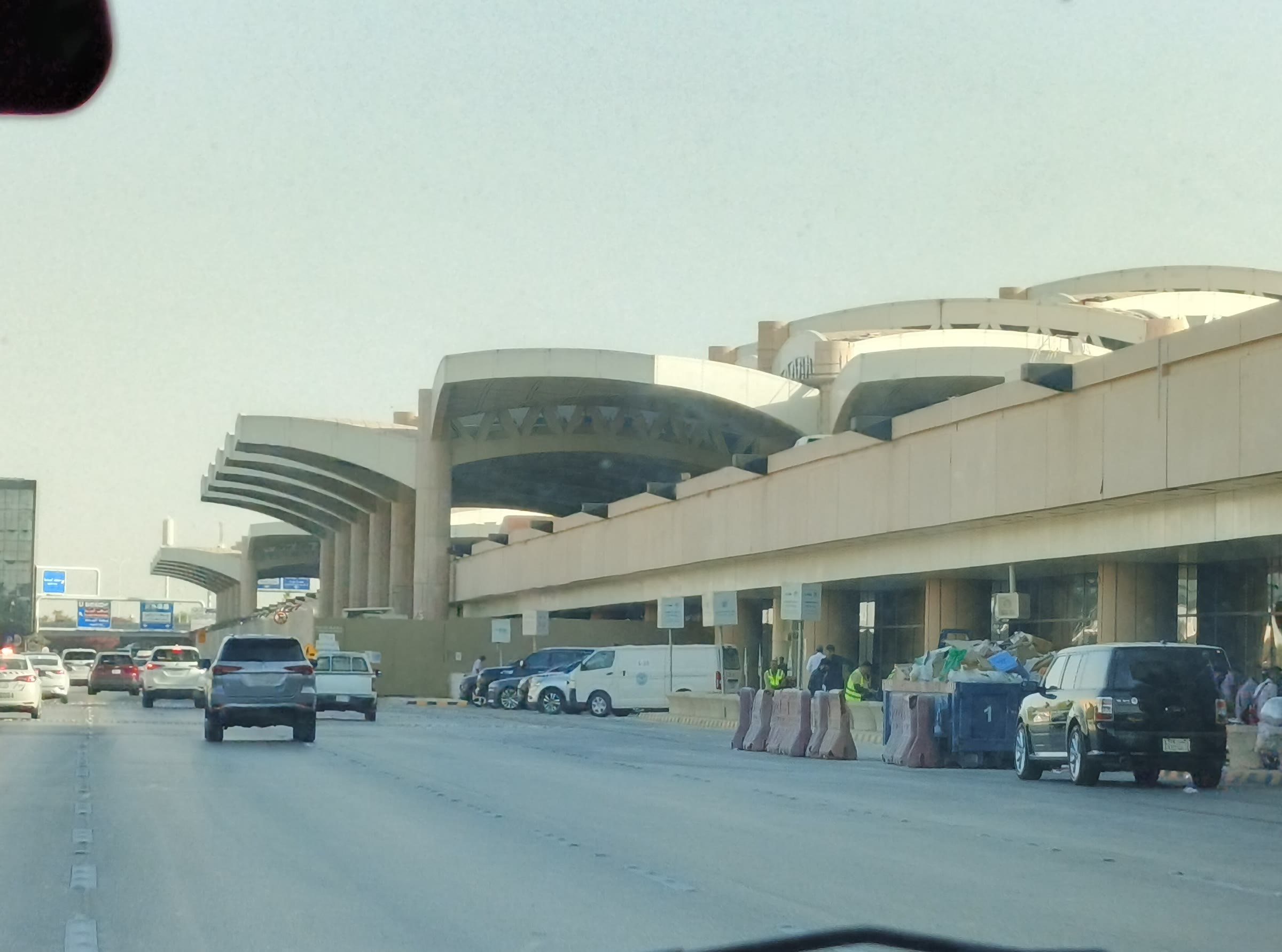
King Khalid International Airport, north of Riyadh, was attacked on the afternoon of Saturday 10 October 2026. It was the third attack on the airport that week. According to a regional official who spoke to AP anonymously, a missile struck the complex that houses terminals 3 and 4, which serve domestic flights.
The attack came without warning, according to Reuters and The National: no threat alert was sounded by the kingdom's warning system. "I was on gate 403," a passenger told AFP. "I saw 401 hit, I saw injured in front of my eyes. Everyone was running."
Health officials activated a rare mass call-up of doctors for what a medical source called a "serious emergency situation". It was the deadliest attack in Saudi Arabia since May 2015, when, according to AFP, an Islamic State suicide bombing killed 21 worshippers at a Shia mosque in Qatif.
Already a subscriber? Sign in
Subscriber article
Your first month for $1
Then $89.99 a year or $9.99 a month · Cancel anytime
Keep reading for $1🔒 10 more parts of this story · 5 min read
- ✓Every article in full, every day
- ✓Every claim labeled and sourced
- ✓In your inbox, or read aloud
 Watch the filmThe full 3D reconstruction on YouTube ↗
How we label every claim
Confirmed: Independently verified: an official record, or two independent newsrooms.Reported: One credible source reports it. Not yet independently confirmed.Claimed: Said by someone involved. Not verified.Disputed: Credible evidence or sources contradict it.